
Stories with rhythm / MUSIC HITS
From Piaf's Rose to Stromae's Dancefloor: A Love Letter to French Song
Café-table poetry, sunlit boulevards, velvet drama and urban swagger: French song is a world of voices that tell stories. Come wander through its many rooms.
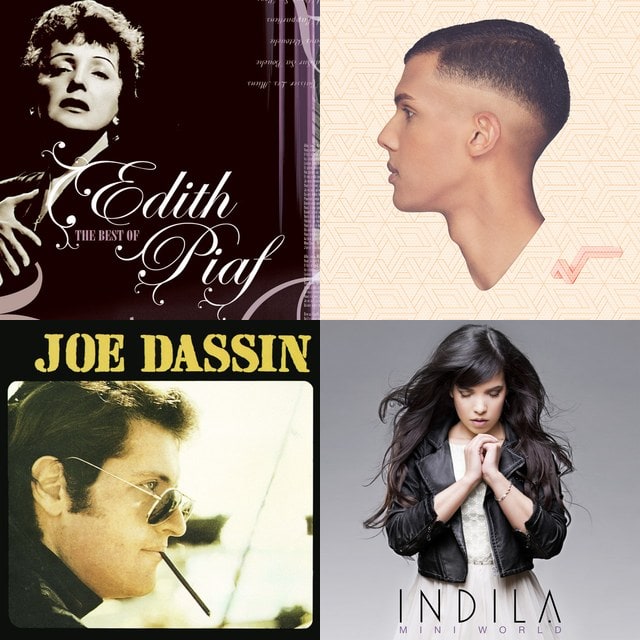
A language that learned to sing
There is a particular pleasure in hearing French sung. The vowels glide, the consonants whisper, and even a simple phrase seems to arrive wrapped in silk. French-language song has always made the most of this, turning everyday feelings into small theatre: a glance across a room, a goodbye at a station, a summer afternoon that refuses to end.
What makes this musical world so rewarding is its range. In one stretch you can move from a cabaret ballad to a glossy pop anthem, from a guitar-led storyteller to a rap verse that rolls like a conversation. Beneath the variety runs a shared devotion to the word, to melody that serves the meaning, and to emotion that is never afraid to be big.
The golden voices of chanson
Start with Édith Piaf, whose La Vie en rose remains a model of tenderness: a slow bloom of melody that feels like looking at the world through happiness. Her Non, je ne regrette rien has the opposite temperature, a defiant lift of the chin with a voice that trembles and then stands tall. Hymne à l'amour pushes the drama further, and her three songs here show how one singer can hold devotion, pride and ache in a single breath.
Jacques Brel's Ne me quitte pas is chanson at its most exposed, a plea carried by rising intensity rather than ornament. Yves Montand's Les feuilles mortes drifts like autumn light, while Charles Trenet's La mer sways with an almost cinematic generosity. Together they set the standard: the song as a small, complete play.
Boulevards, seaside and summer light
French song is wonderfully good at place. Joe Dassin's Les Champs-Elysées strolls along its famous avenue with a bright, open-hearted swing, and his Salut les amoureux brings a warm, folk-tinged ease that suits long evenings. Brigitte Bardot's La madrague has a breezy, sun-on-skin lightness, a postcard you can hum.
Charles Aznavour's La bohème turns memory into a painted street scene, accordion-coloured and bittersweet. These songs make wonderful company for travel, for cooking, for a slow Sunday when you want the room to feel a little more elegant than usual.
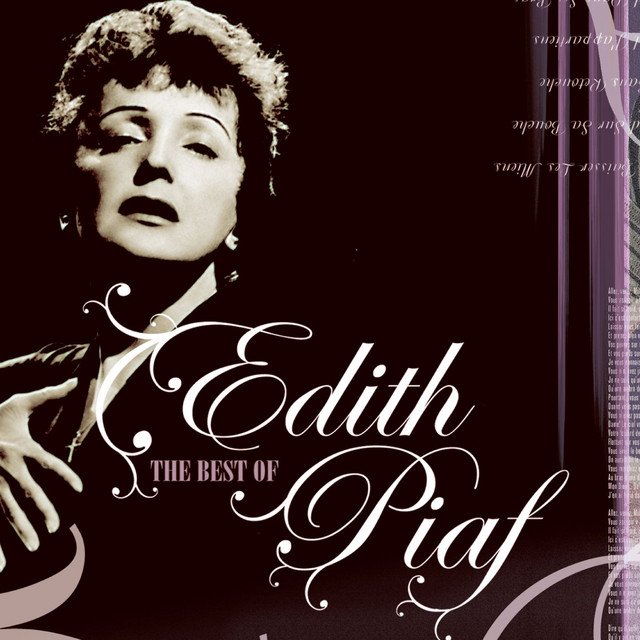
La Vie en roseÉdith Piaf
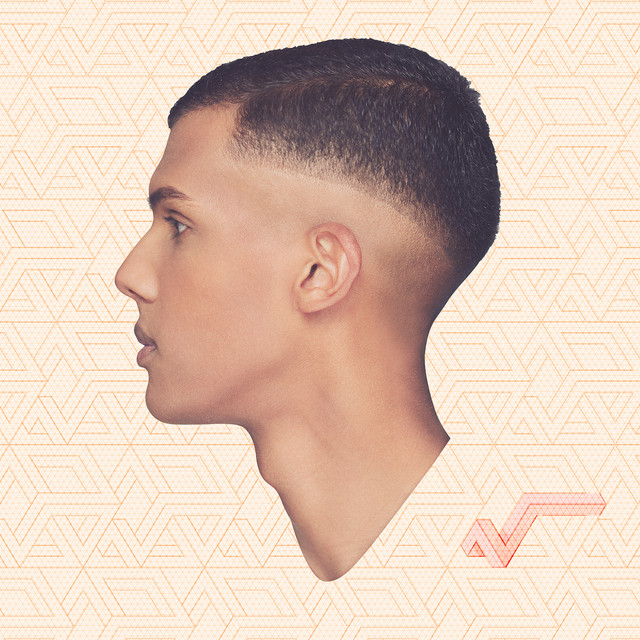
PapaoutaiStromae
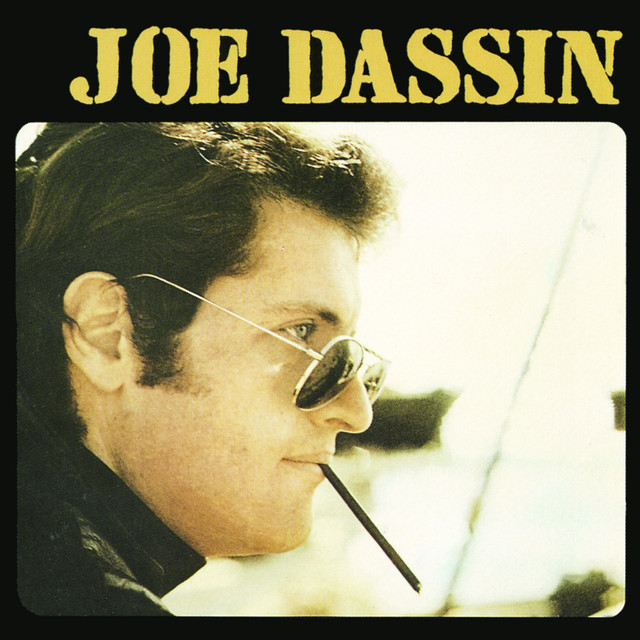
Les Champs-ElyséesJoe Dassin
Flirtation, drama and glamour
Few styles flirt like this one. Serge Gainsbourg and Jane Birkin's Je t'aime moi non plus is hushed and daring, intimacy turned into atmosphere. Dalida and Alain Delon's Paroles… paroles… plays out as a miniature duel, her singing set against his spoken lines, and it is irresistible.
Then comes pop with a dramatic streak. Mylène Farmer's Désenchantée sweeps in with cinematic melancholy and a chorus that feels like a long, dark-velvet cape, and Alizée's Moi... Lolita has a playful, shimmering pop sheen. Plastic Bertrand's Ça Plane Pour Moi adds a burst of punky, grinning energy, proof that the French songbook has room for mischief too.
Storytellers with open hearts
A great strength of this tradition is the singer-songwriter who simply talks to you through melody. Renaud's Mistral gagnant is a tender, childlike glance back, full of small details. Francis Cabrel's Je l'aime à mourir carries love in gently picked guitar and a warm, grainy voice, while Jean-Jacques Goldman's Tournent les violons and Je te donne, the latter with Michael Jones, build from intimacy to full-throated release.
Claude François's Comme d'habitude and Christophe's Aline bring another flavour, the pop of the sixties and seventies, with melodies that linger. Johnny Hallyday's Je te promets adds rock-leaning grit and heartfelt resolve. Taken together, they are songs made for singing along, loudly, with friends.
A modern pulse in the same tradition
Today's French pop keeps the old devotion to feeling but wraps it in new sounds. Stromae's Papaoutai, Formidable and Alors on danse show how a danceable beat can carry real emotional weight: bright synths, clear rhythm, and a quiet ache underneath. Indila's Dernière danse and Love Story are sweeping and dramatic, built around a voice that seems to ride the wind.
Christine and the Queens' Saint Claude moves with cool, contemporary poise, while Angèle's Balance ton quoi is sharp and playful. Louane's Je vole, Julien Doré's Coco Câline, Slimane's Mon amour and Zaz's Je veux each add their own colour, from jazzy fizz to open-throated emotion. Céline Dion's Pour que tu m'aimes encore shows the grand ballad in full flight.
Rhythms from many shores
French-language music today is also a meeting point of cultures. Khaled's Aïcha lets North African melodic colour glow inside a pop frame. Magic System's 1er Gaou brings a joyful, percussive swing that fills a dancefloor in seconds, and K.Maro's Femme Like U carries smooth, club-ready groove.
The urban side shines too. MC Solaar's Nouveau western flows with a poet's agility, GIMS and Niska's Sapés comme jamais is sleek and confident, Aya Nakamura's Djadja has a magnetic, rhythmic cool, and Soolking and Gazo's Casanova rides a warm, nocturnal groove. Next to Piaf and Brel, they show a tradition still growing.
Put it on while you cook, wander a city at dusk or gather friends around a table, and let the whole story of French song unfold. Press play and let it carry you from the first rose-tinted note to the last chorus.
Songs and figures reflect the selection at the time this article was written. The playlist may change afterwards.
The music behind this story
Best French Songs of All Time - Music Hits
- songs
- 41
- artists
- 39
- minutes of music
- 155