
Stories with rhythm / MUSIC HITS
Golden Hour in Portuguese: Brazil's Gentle Songs for the Moment the Sun Sinks
From bossa nova whispers to MPB poetry and bright modern pop, a Brazilian late-afternoon soundtrack of warm guitars, easy rhythm and songs made for slowing down.
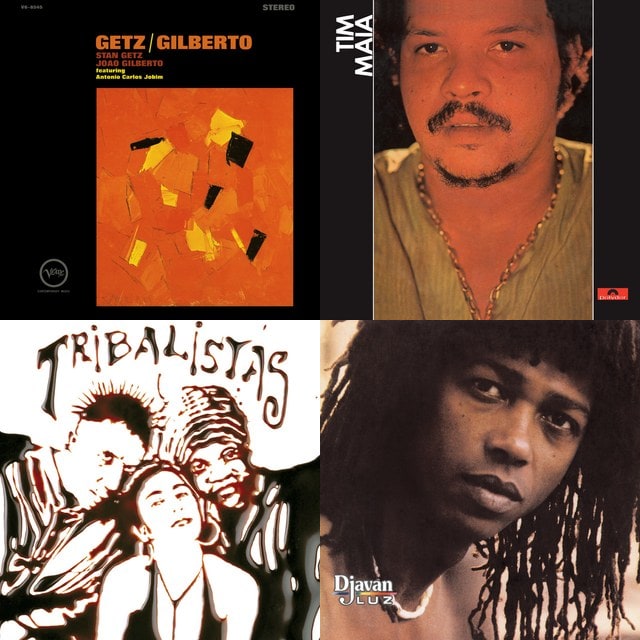
Where the light turns amber
Some music seems to arrive with the colour of the sky. Brazilian late-afternoon songs belong to that hour when the heat loosens its grip, shadows stretch across the pavement and conversation drops to a softer register. This is a world of nylon-string guitars, unhurried percussion and voices that sing as if speaking to someone sitting right beside them. MPB, bossa nova and Brazilian pop live together here without friction, handed from one generation to the next like a favourite family recipe.
The doorway is, fittingly, "The Girl From Ipanema" by Stan Getz, João Gilberto, Astrud Gilberto and Antônio Carlos Jobim: a sway of harmony, a sigh of saxophone and a vocal so relaxed it seems to float. From there the mood is set. It is warmth without hurry, sophistication without distance, and a gentle ache that the Portuguese language calls saudade, a longing that somehow feels pleasant rather than sad.
Bossa nova, or the art of saying more with less
The genius of bossa nova lies in restraint. João Gilberto's "Chega de Saudade" shows how a guitar pattern and a barely raised voice can carry an entire emotional landscape; the rhythm ripples beneath the melody instead of pushing it forward. Jobim's own "Wave" widens the palette with chords that turn like light on water, and "Águas De Março" by Elis Regina and Antônio Carlos Jobim becomes a joyful, tumbling conversation between two great musical personalities, full of images that pile up like the rain it describes.
Sylvia Telles brings pure intimacy with "Dindi", a song that feels whispered across a small room, while Marcos Valle's "Samba De Verão" adds a sunnier, lightly swinging side of the same elegance. Then Sergio Mendes & Brasil '66 arrive with "Mas Que Nada", lifting the energy and proving that sophistication can also make you smile and move your shoulders a little.
MPB: poetry, tenderness and open windows
Música Popular Brasileira is less a single sound than a generous habit of mind: melody first, words that matter, arrangements free to wander. Caetano Veloso's "Sampa" is a love letter to a city told with affectionate curiosity, while his "Menino Do Rio" feels breezy and sunlit. Gal Costa and Caetano Veloso share "Baby", a tender and playful exchange, and Gilberto Gil's "Esperando na janela" brings a rustic, dance-ready lilt that makes waiting sound like a pleasure.
Elis Regina's "Como Nossos Pais" shows the dramatic reach of the tradition, a voice that can be powerful and vulnerable in the same breath. Paulinho Da Viola's "Foi Um Rio Que Passou Em Minha Vida" flows with the dignity of samba's contemplative side, and Cartola's "As Rosas Não Falam" is one of the most tender songs you can hear at sunset. Lô Borges' "O Trem Azul" adds a dreamy, wide-open sense of landscape, as if the music were looking out of a train window.
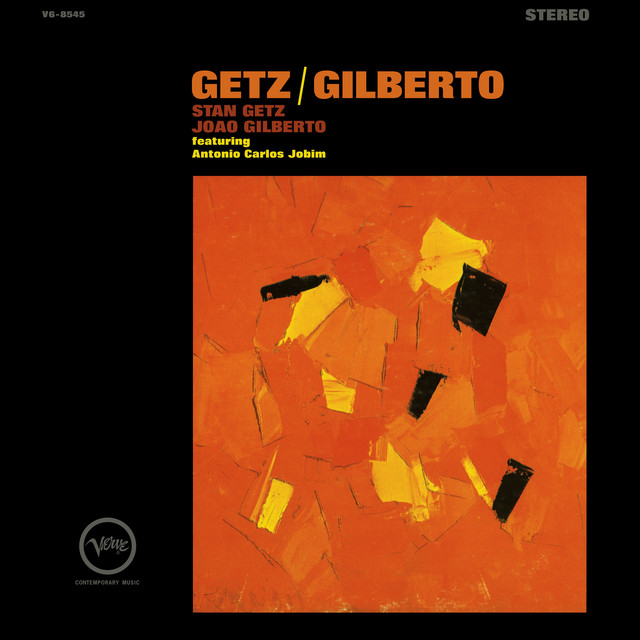
The Girl From Ipanema - Single VersionStan Getz, João Gilberto, Astrud Gilberto, Antônio Carlos Jobim
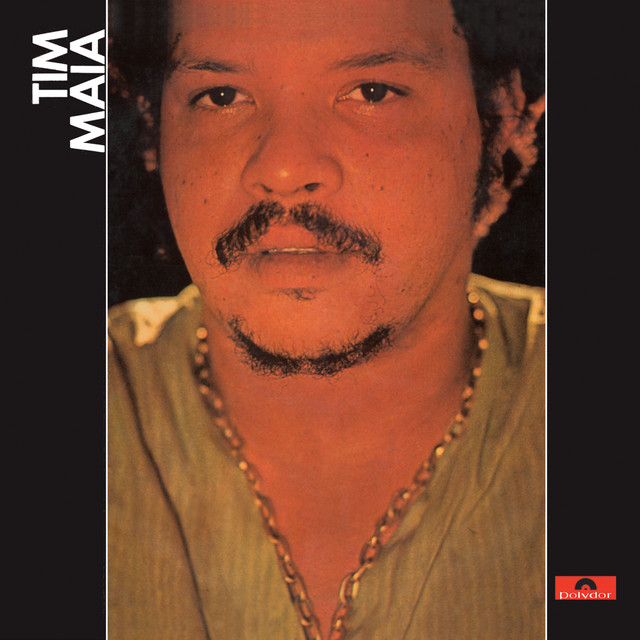
Azul Da Cor Do MarTim Maia

Velha Infância - 2004 Digital RemasterTribalistas
Djavan, Marisa Monte and the grace of modern songwriting
Few voices are as silky as Djavan's. "Sina" and "Oceano" show his gift for melodies that curve in unexpected directions while staying completely natural, with rhythmic twists that feel more like a smile than a puzzle. Marisa Monte brings a luminous clarity to "Ainda Bem" and "Beija Eu", songs that sound simple and then reveal fine detail, in the way a good conversation does.
Tribalistas offer another kind of warmth. "Velha Infância" and "Já Sei Namorar" are easygoing and affectionate, made for humming along on a balcony. Tim Maia's "Azul Da Cor Do Mar" adds a soulful glow, Jorge Ben Jor's "País Tropical" turns a groove into pure sunshine, and Toquinho's "Aquarela" paints with childlike wonder. Together they show how Brazilian songwriting can be sophisticated and welcoming at once.
Pop and rock with a Brazilian heart
The late-afternoon mood is not only acoustic. Legião Urbana's "Pais E Filhos" and "Tempo Perdido" carry the thoughtful side of Brazilian rock, melodic and emotional, the sort of songs people sing together when the evening starts. Los Hermanos' "Anna Júlia" has a bright, bittersweet charm, and Jota Quest's "Dias Melhores" brings an optimistic pulse that suits an open road home.
Rita Lee's "Ovelha Negra" adds a bold, affectionate rebellion, Marina Lima's "Fullgás" gives the mood a stylish pop lift, and Roupa Nova's "Dona" brings romantic polish. Lenine's "Paciência" closes this circle with a rhythmic, reflective calm, and Liniker e os Caramelows' "Zero" shows a contemporary voice full of velvet and feeling.
New voices, same warm light
What makes this world so inviting is how naturally younger artists join the conversation. Vitor Kley's "O Sol" is sunshine in song form, ANAVITÓRIA and TIAGO IORC blend gently in "Trevo (Tu)", and Melim's "Meu Abrigo" offers a sense of shelter and closeness. Maria Gadú's "Shimbalaiê" has an airy, acoustic charm, while Ana Vilela's "Trem-Bala" turns everyday tenderness into an easy anthem.
None of these songs feels like a museum piece or a copy. They carry the same unhurried phrasing, the same love of melody and the same human warmth as the classics, only with new accents. That continuity is a quiet pleasure: you can move from a recording by João Gilberto to a modern pop song and feel you are still in the same living room.
Samba's easy shrug, and a place to land
Samba brings humour and street-corner wisdom to the evening. Zeca Pagodinho's "Deixa A Vida Me Levar" is a cheerful philosophy of letting things unfold, Seu Jorge's "Amiga da Minha Mulher" brings a playful, relaxed swing, and Adoniran Barbosa's "Trem Das Onze" has the charm of a São Paulo story told with a wink.
These are songs for the balcony, the beach walk home, the kitchen while dinner simmers, a drive with the windows down or the first quiet drink after work. They ask nothing except a little attention and a willingness to slow down. Press play when the sun begins to sink, and let Brazil's golden hour settle around you.
Songs and figures reflect the selection at the time this article was written. The playlist may change afterwards.
The music behind this story
Fim de Tarde Brasileiro - Music Hits
- songs
- 41
- artists
- 37
- minutes of music
- 156